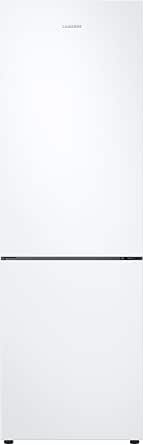
Samsung RB33B612EWW/EF vs Bosch KGN367LDF
RB33B612EWW/EF and KGN367LDF are similarly priced. KGN367LDF is rated higher (4.4 vs 3.3).
Specifications
| Dimensions | ||
| Capacity | 344 lt | 321 lt |
| Height | 185.3 cm | 186 cm |

Frequently asked questions
- RB33B612EWW/EF or KGN367LDF: which is cheaper?
- RB33B612EWW/EF and KGN367LDF are similarly priced, within 1% of each other.
- KGN367LDF or RB33B612EWW/EF: which is rated better?
- KGN367LDF is rated higher (4.4 vs 3.3).
- Between RB33B612EWW/EF and KGN367LDF, which has more capacity?
- RB33B612EWW/EF has more capacity than KGN367LDF (344 lt vs 321 lt).
- Between KGN367LDF and RB33B612EWW/EF, which has more freezer Capacity?
- KGN367LDF has more freezer Capacity than RB33B612EWW/EF (119 lt vs 114 lt).
- What's the difference in energy Class between RB33B612EWW/EF and KGN367LDF?
- RB33B612EWW/EF has energy Class E, while KGN367LDF has energy Class D.
- Between RB33B612EWW/EF and , which has more ?
More questions about these products
- Does a larger fridge always use more energy?
- Not necessarily, but in most cases yes. Modern insulation and efficient compressors can reduce the difference, yet larger refrigerators still have more internal volume and greater heat-transfer area. If two models use similar technology, the smaller one will usually consume less electricity.
- What is a good annual energy consumption for a fridge?
- There is no single ideal value because consumption depends on size and features. However, when comparing refrigerators with similar capacity, a lower kWh/year rating generally indicates a more efficient appliance and lower operating costs.